Skip to content
Thar Car
  • Car Guides
  • Car Comparison
Thar Car
Thar Car

Mahindra Thar Car Price, Features and Review 2025 Guide

4.6/5 - (14 votes)

Thar Car Guide

Indian Car Price Tool 2025 – State and City Wise Car Prices

Check 2025 car prices by state, city, brand and model. Fast, accurate India car price tool covering all major brands with instant ex-showroom price search.

Get updated 2025 Indian car prices with our interactive Car Pricing Tool. Select your state, city, car brand and model to instantly view ex-showroom prices.
Covers all major car brands Mahindra, Maruti, Tata, Hyundai, Kia, Toyota, BMW, Mercedes, Jeep and more plus full Indian state & city lists. Fast, simple and accurate car price lookup.

Mahindra Thar Car Explained: Review, Comparisons & Latest Updates

  • Comfortable SUV for Long Trips and Trails

    Best Comfortable SUV for Long Trips and Trails

  • best off road SUVs for camping

    Best Off Road SUVs for Camping 2025 Guide

  • Off Road Trails Mahindra Thar

    Top 10 Off Road Trails in India to Explore with Your Mahindra Thar

  • DIY Thar Cleaning

    DIY Thar Cleaning and Protection After Off Roading

Mahindra Thar Car vs Other SUVs: Complete Review & Buyer’s Guide

  • Mahindra Thar Mileage

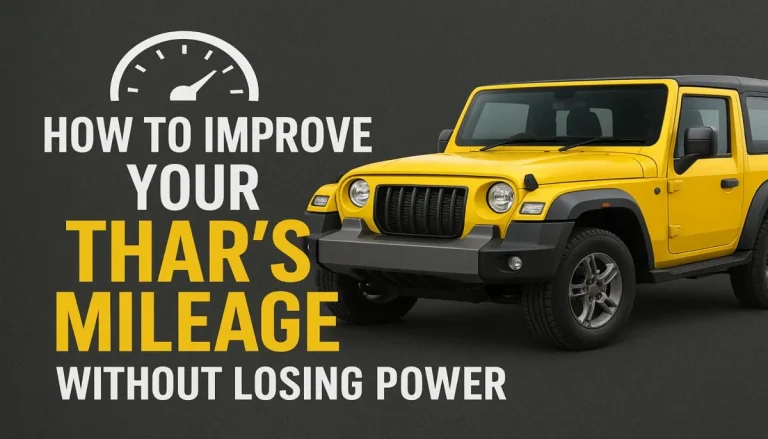
    How to Improve Your Thar Mileage Without Losing Power: 7 Proven Methods That Actually Work

  • Tyres for Thar Mahindra

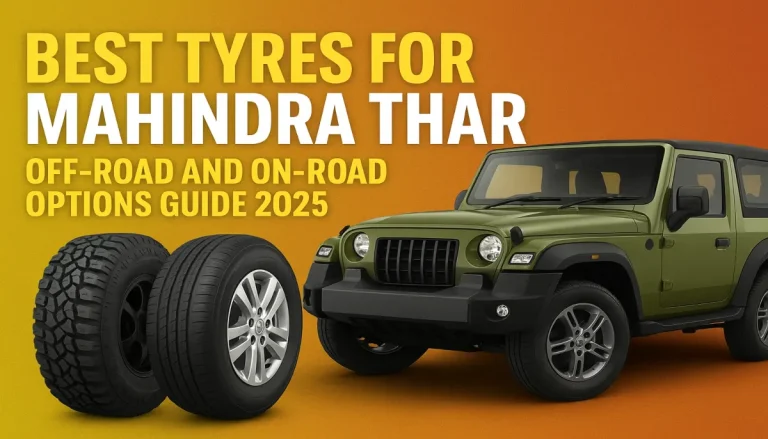
    Best Tyres for Mahindra Thar: Complete Off Road and On Road Options Guide 2025

Thinking of Buying a Thar Car? Review, Comparison and Key Highlights

  • Thar Accessories

    Best Thar Accessories 2025: Top 10 Must Have Add Ons

    Discover the top 10 must have Mahindra Thar accessories for 2025. Improve comfort, style, off road performance and protection with these essential add ons.

  • Thar Maintenance

    Best Mahindra Thar Maintenance Guide Schedule Service 2025

    Get the full Mahindra Thar maintenance schedule, service intervals and cost breakdown for 2025. Learn how to keep your Thar running smoothly with timely care.

  • Thar Petrol vs Diesel

    Thar Petrol vs Diesel: 7 Critical Power, Mileage and Maintenance Differences

    Compare Thar petrol vs diesel engines. Real world mileage, horsepower, service costs and reliability. Find the best Thar engine for your needs.

  • Thar AX3 vs AX5 vs AX7

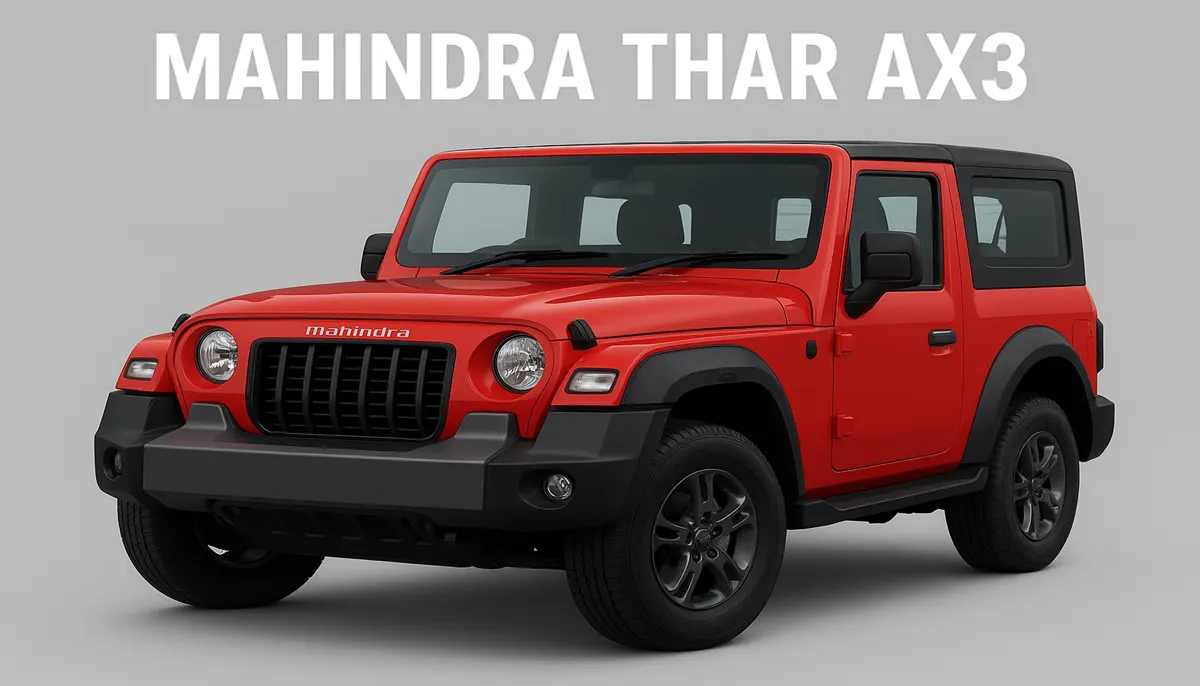
    Best Mahindra Thar AX3 vs AX5 vs AX7 Which Trim Wins 2025?

    Compare Mahindra Thar AX3 vs AX5 vs AX7 variants. Discover features, prices, mileage and performance differences to choose the best trim for you.

Thar Car

Owner / Brand Info

Manufacturer Name:
Mahindra & Mahindra Ltd.

Parent Company:
Same

Headquarters Location:
Mumbai, Maharashtra, India

Brand Country:
India

Car NameMahindra Thar
Model YearLatest major update 2024/2025 (facelift)
Manufacturer / BrandMahindra & Mahindra (M&M), India
Variant / Trim LevelMultiple trims: e.g., AX, LX, LX 4×4, hard top / soft top / convert top
Category / TypeSUV (True off road capable)
Body Style3 door (current) in many markets, hard top / soft top / convertible variants
SegmentCompact off road SUV
Market Launch DateThe All New Thar launch press release dated 15 Aug 2020
Assembly / Production LocationIndia (Mahindra’s manufacturing)
Origin CountryIndia
Engine TypePetrol (2.0 L mStallion TGDi) & Diesel (2.2 L mHawk) for earlier update

Length:
3,985 mm (approx) for many variants

Width:
~1,855 mm (varies) or ~1,855mm reported

Height:
~1,850 mm (varies) reported

Wheelbase:
2,450 mm

Ground Clearance:
226 mm in unladen condition

Kerb Weight:
(Not always published)

Boot Space:
Limited due to the design, exact litre not always published

Seating Capacity:
4 (for many variants) cited

Engine CapacityPetrol: 1,997 cc / 2.0 L TGDi (in some markets) making ~150 bhp + 320 Nm. Diesel: 2,184 cc (2.2 L) ~130 bhp + ~320 Nm. Also a 1,497 cc diesel variant (~118-130 hp) in some trims.
Engine TypePetrol turbo, Diesel turbo
Max Power~150 bhp for 2.0 petrol. ~130 bhp for 2.2 diesel
Max Torque~320 Nm (petrol) and ~320 Nm (diesel) in referenced spec sheet
Top SpeedNot broadly published
Acceleration0-100 km/h
DrivetrainOptions include Rear Wheel Drive (RWD) and Four Wheel Drive (4×4) depending on variant
Fuel TypePetrol / Diesel
Fuel Tank Capacity57 litres in some 4×4 variants
Mileage / Fuel EfficiencyAround ~15.2 km/l for some variants as per Autocar India

Interior Color Options & Upholstery
All black theme with silver accents for All New Thar

Infotainment System
Large touchscreen; Android Auto & Apple CarPlay support reported

Air Conditioning Type
Automatic climate control in higher trims likely (common in this class)

Steering Type:
Tilt adjustable steering wheel

Key Features
Roof mounted speakers, height adjustable driver’s seat with lumbar support, one touch tip & slide co driver seat, power windows

Exterior Color OptionsMultiple (varies by market)
Headlights TypeLED DRLs plus projector / LED for higher trims
Fog LampsYes front fog lamps in spec sheet
Alloy Wheel Size18 inch alloy wheels for higher trims (e.g 255/65 R18 tyres) in off road variant
Roof TypeHard Top, Soft Top, Convertible Top options
Spare Wheel LocationTypically externally mounted rear spare (common in off road SUVs)
Mirrors TypeElectrically adjustable ORVMs reported
Sunroof / Moonroof AvailabilityNot always, may vary by variant

Bluetooth / USB / AUX Support:
Yes in modern infotainment

Voice Commands:
Likely in higher trims

Navigation System:
Touchscreen infotainment supports likely

Wireless Charging:
May be available in higher trims

Digital Instrument Cluster:
Reported in spec updates (10.25 inch screen)

Wi-Fi Hotspot:
Possibly (varies by market)

Number of AirbagsLikely dual front airbags at minimum (common)
ABS, EBDYes standard in modern specs
ESC (Electronic Stability Control)Likely present in higher variants
Hill AssistOff road capability indicates such features for example low range 4×4, mechanical locking differential
Rear Parking CameraReported in feature updates
Parking SensorsVery likely in higher trims
ISOFIX Child MountsYes reported
Safety RatingThe Wikipedia page mentions 4 Star Global NCAP rating for some variants
Keyless EntryLikely as part of convenience features

Ex Showroom PriceIn India approx ₹11.47 Lakh to ₹20.12 Lakh for on road Delhi price range
Price Range (Base–Top Model)From ~₹9.99 Lakh (for 1.5L diesel RWD) up to ~₹16.99 Lakh in Indian market for certain trims
Warranty / Service IntervalStandard for brand (varies)
Resale ValueThe Thar has strong brand appeal & off road capability so decent resale value
Availability StatusCurrently available (in India)
Market PopularityVery popular off road SUV in India
Environmental Rating (Emission Standard)Likely meets latest Indian standards (BS6 etc)
Custom ModificationsGiven its off road focus, many owners modify for off road use

Awards & Recognitions:Known for its off road ruggedness and revival of Thar brand
Competitors / Alternatives:E.g Maruti Suzuki Jimny, Force Gurkha etc.
Notable Features (USPs):Body on frame construction, low range transfer case, locking differentials (in some variants)
Production Status:In production
Fuel Efficiency Rating:As above ~15 km/l depending on variant

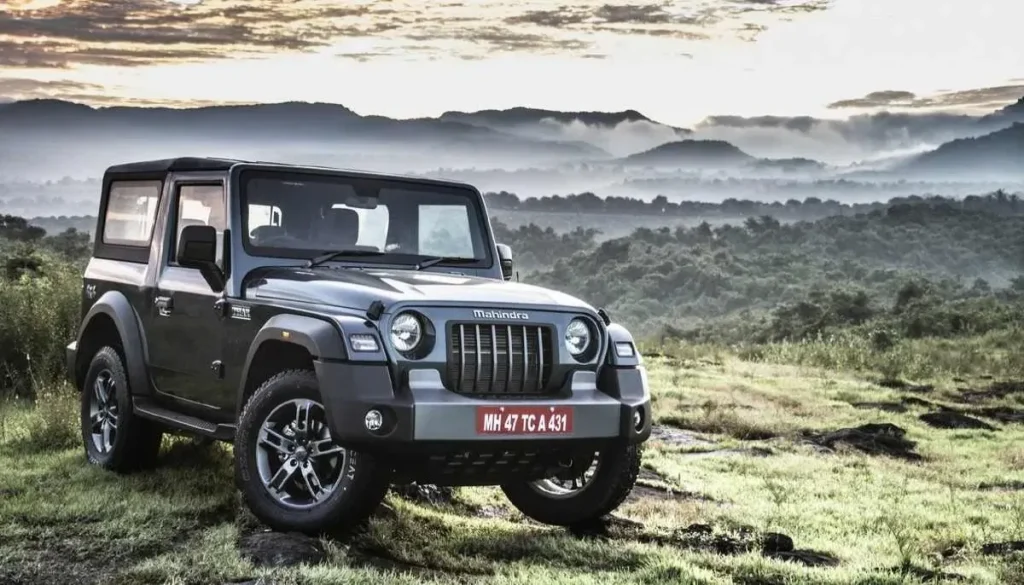
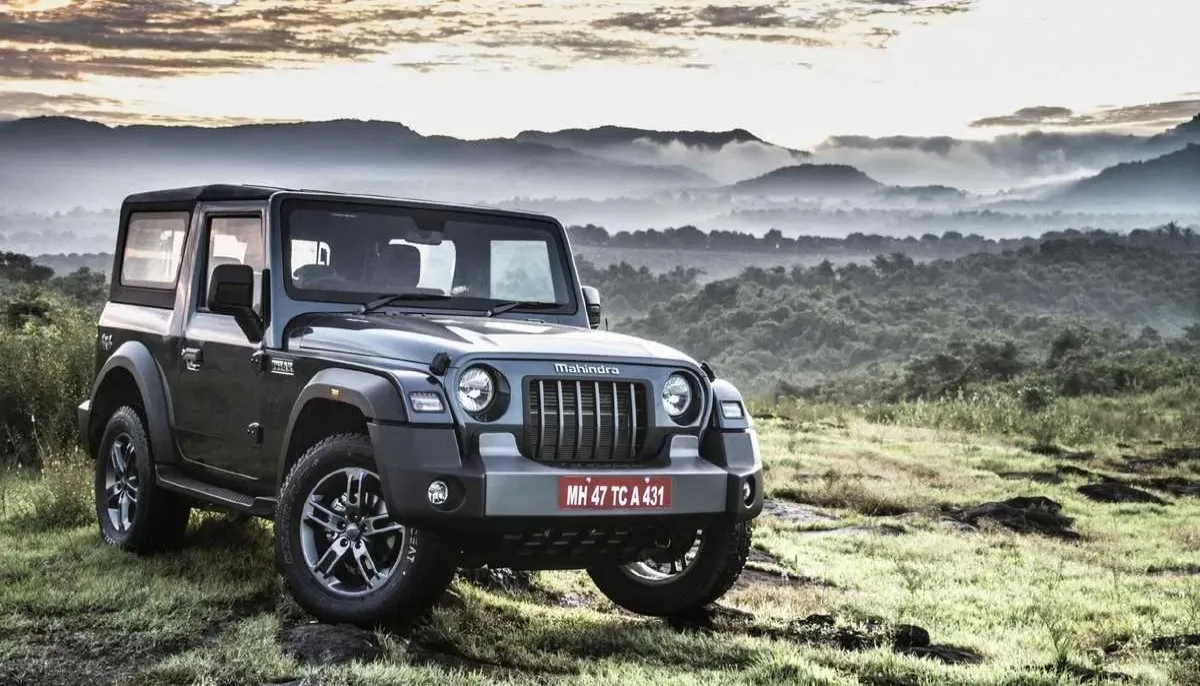
There’s something magical about seeing a Thar car driving down the street. Heads turn, cameras come out and people can’t help but stare. The Mahindra Thar has become more than just a vehicle it’s a lifestyle statement. An adventure companion and for many Indians a dream worth saving for.

I remember the first time I sat inside a mahindra thar at a dealership. The rugged build, the promise of off road adventures and that unmistakable jeep styling immediately made sense of why this vehicle has such a cult following. But beyond the looks, there’s so much more to understand about this iconic Indian SUV.

Whether you’re considering buying a new thar jeep, exploring second hand thar options or simply curious about what makes this vehicle so special. This guide covers everything from thar price details to real world mileage, safety features and honest insights based on actual ownership experiences.

The mahindra thar isn’t just another SUV on Indian roads. It represents freedom, adventure and a connection to the classic jeep heritage that Indians have loved for generations. Launched in its current avatar in 2020. The new Thar quickly became one of the most desired vehicles in the country, with waiting periods stretching for months.

The thar gadi combines old school charm with modern engineering. It’s built on a proper ladder frame chassis. Which means it’s designed for serious off roading, not just city driving. The mahindra thar 4×4 capability allows it to tackle rocky mountain paths, sandy beaches and muddy trails that would leave regular SUVs stuck.

But what really sets it apart is the emotional connection. Owning a Thar isn’t just about transportation. It’s about weekend getaways to the mountains, beach drives at sunrise and the confidence that your vehicle can handle whatever adventure you throw at it. The community of Thar owners is incredibly passionate, organizing group drives and sharing modification ideas constantly.

Let’s talk numbers, because understanding the thar car price is crucial before making any decisions. The mahindra thar price starts from approximately ₹11.25 lakh for the base AX variant and goes up to around ₹17.60 lakh for the top end LX Hard Top Diesel AT 4×4 (ex showroom prices, which vary by city).

The thar starting price seems reasonable compared to many competitors but here’s the reality: most buyers don’t stop at the base model. The popularity of the thar black and white thar variants, along with the desirability of automatic transmission and convertible top options, often pushes the on road price significantly higher.

When you factor in registration, insurance and accessories, the actual thar cost typically lands between ₹13-20 lakh depending on your location and chosen variant. Cities like Mumbai and Bangalore have higher registration costs. While smaller towns might offer slightly better deals.

The thar gadi price also includes a 3-year/1 lakh km warranty. Which provides decent peace of mind. However, many owners suggest budgeting an extra ₹50,000-1 lakh for immediate modifications like better tires, thar alloy wheels, seat covers and thar roxx accessories that enhance both functionality and appearance.

The second hand thar market has exploded in recent years. Many buyers who couldn’t wait for delivery or want to save money are actively searching for used options. But buying an old thar or a used new generation model requires careful consideration.

A second hand thar price typically ranges from ₹6-7 lakh for the thar old model (2010-2020 generation) to ₹10-15 lakh for newer 2020+ models with low mileage. The price depends heavily on year, condition, modifications, service history and whether it’s been used for serious off roading.

Here’s what I learned from talking to owners who bought used always get a thorough inspection done. The thar jeep is built tough but hard off road use can stress the chassis, suspension and drivetrain. Look for signs of underbody damage, check for oil leaks and test the 4×4 system thoroughly.

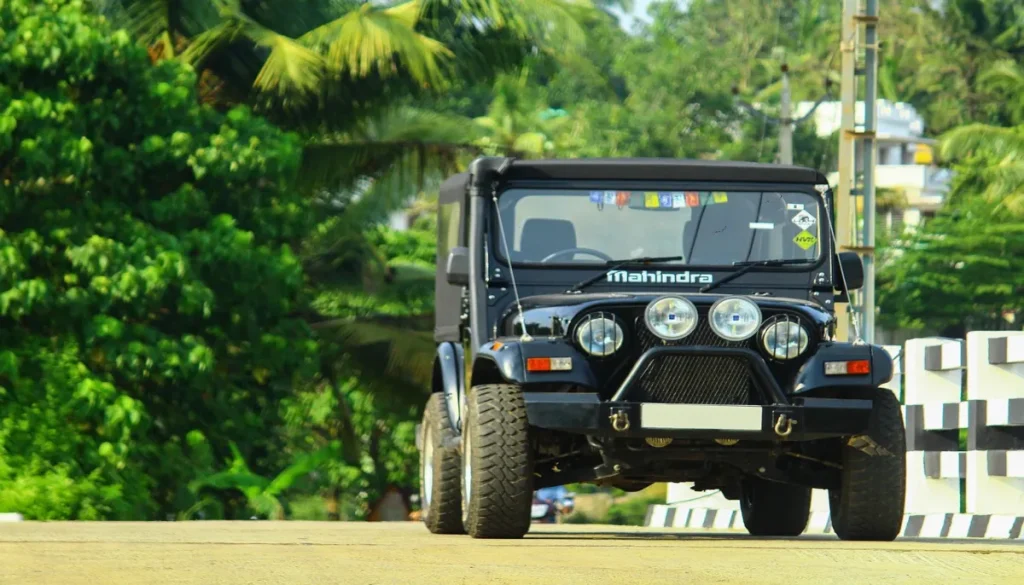
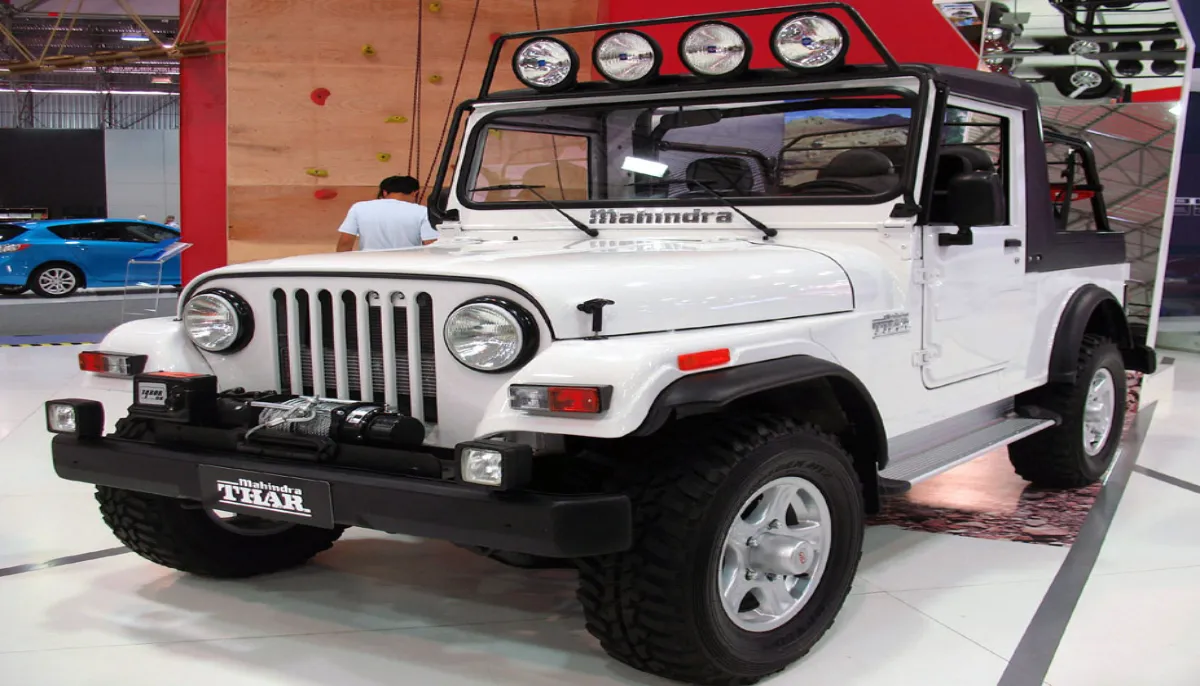
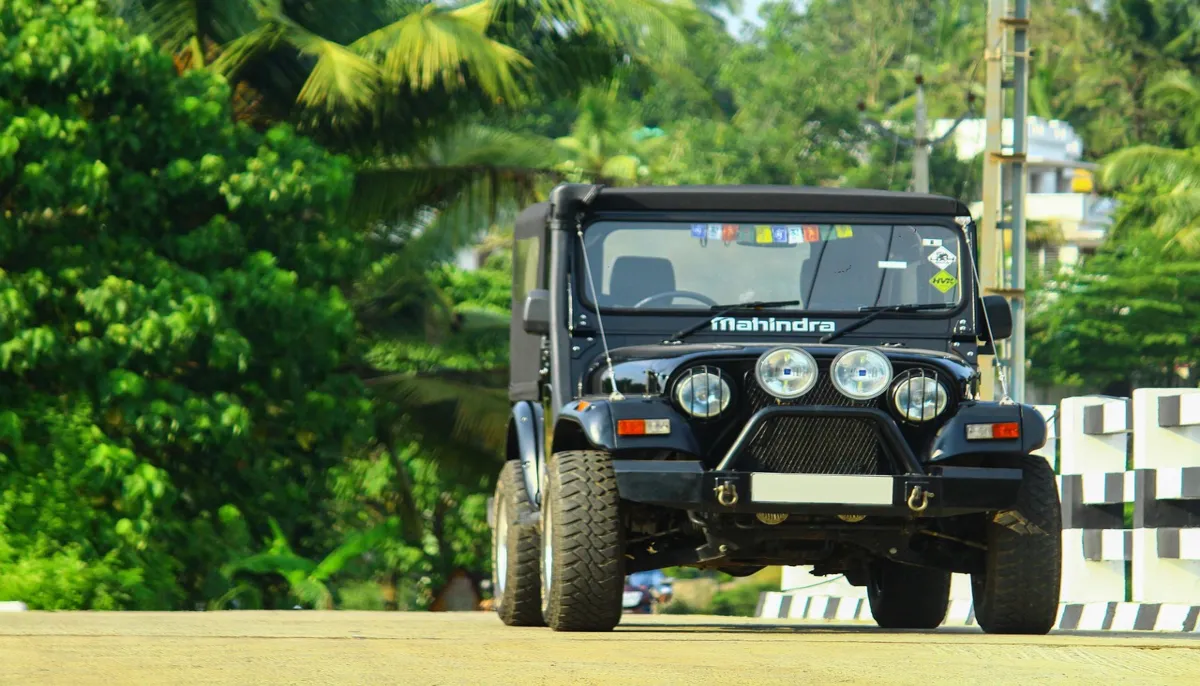
The thar crde (the older common rail diesel engine) models are still quite popular in the used market. They’re known for reliability though they lack the refinement and features of the new generation. Many enthusiasts actually prefer these older models for their simplicity and ease of modification.

One advantage of buying a second hand thar is that many come with aftermarket upgrades already installed. Owners often invest in better suspension upgraded thar alloy wheels, off road bumpers and lighting modifications that can cost ₹1-2 lakh if done separately. However, verify the quality of these modifications and whether they were professionally installed.

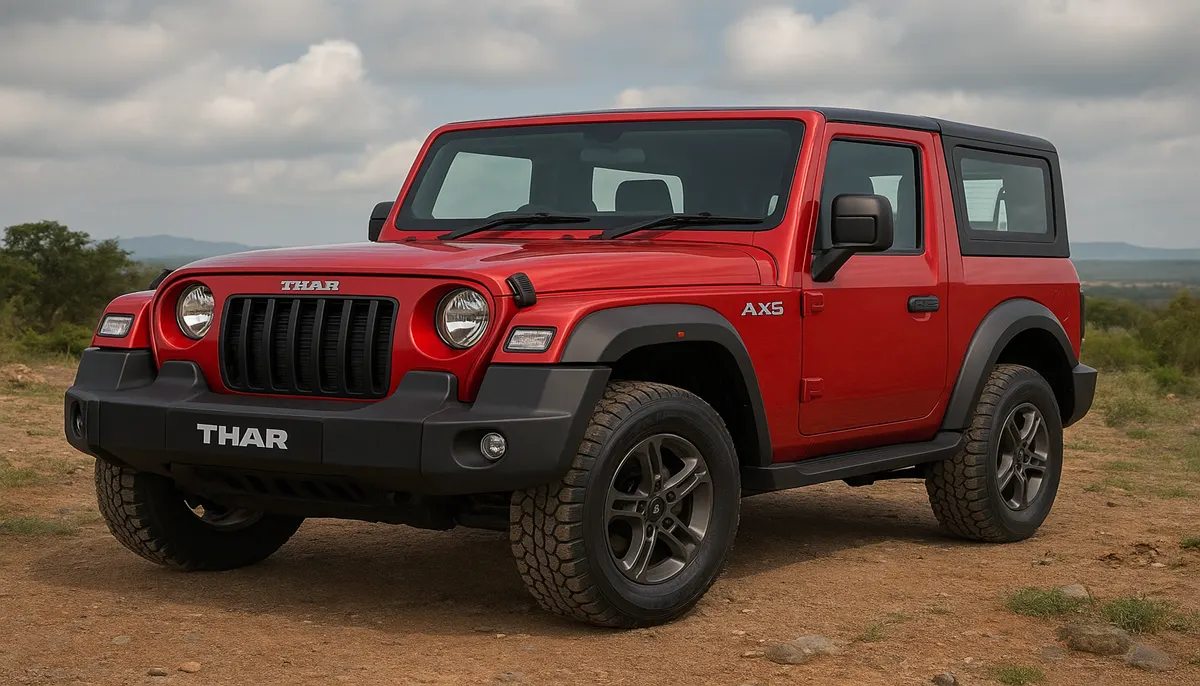
Walk into any Mahindra showroom and you’ll notice something interesting: the thar black and white thar are by far the most requested colors. These two shades dominate the roads and social media feeds, each with passionate advocates.

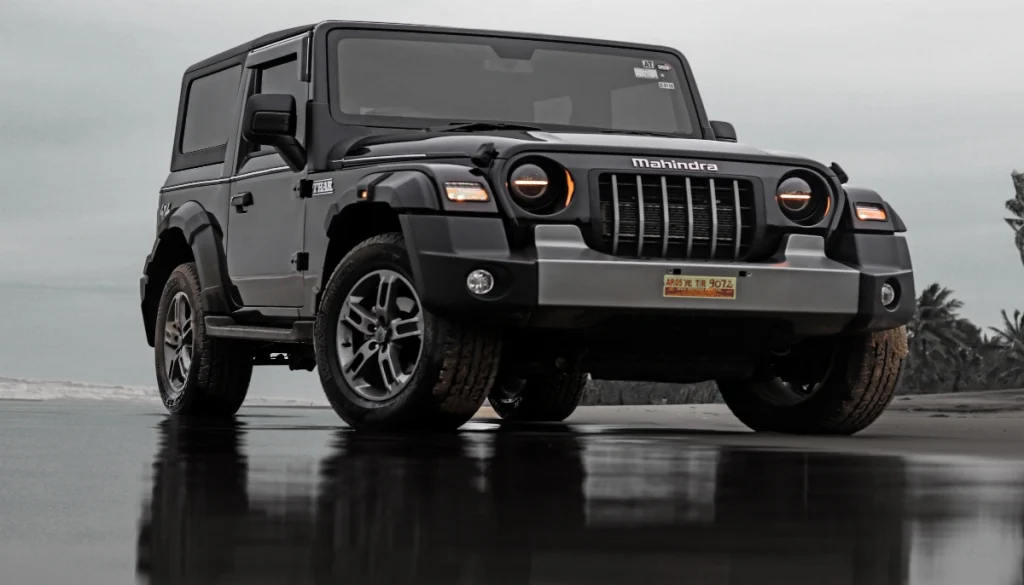
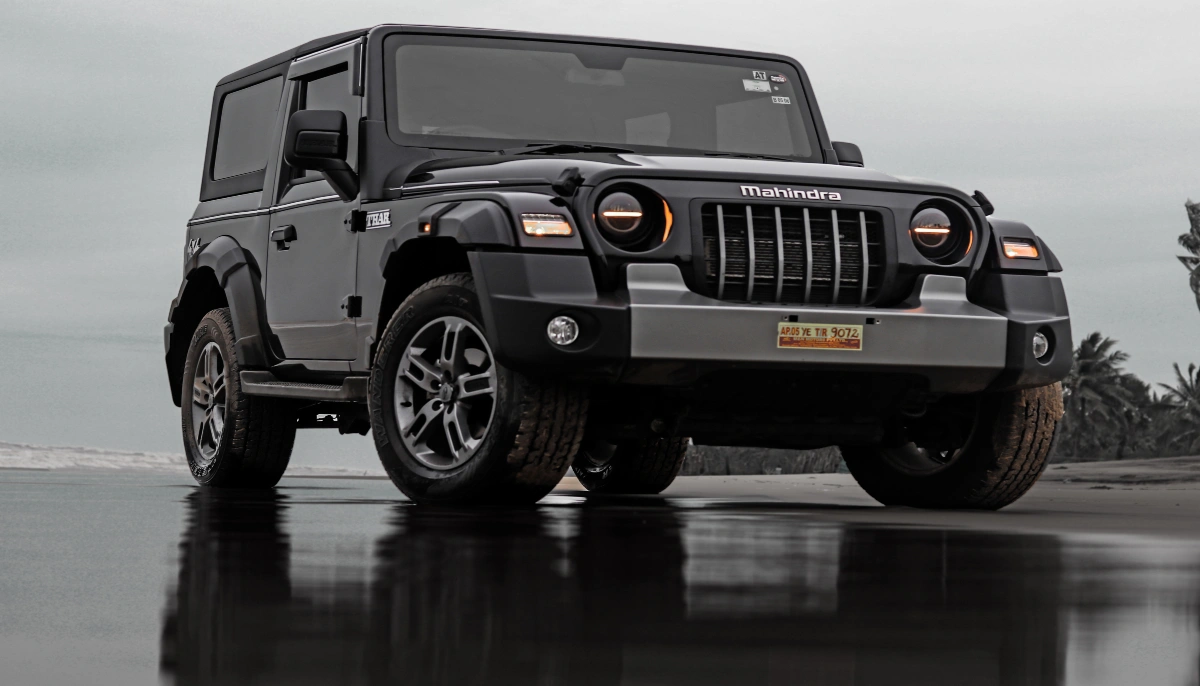
The thar black exudes aggression and sophistication. It looks particularly stunning with aftermarket modifications and tinted windows. However, black shows dust and scratches more easily and can get noticeably hot under the sun a real consideration in Indian summers. Many black Thar owners report spending more time and money on detailing and maintenance to keep that showroom shine.

The thar white, on the other hand, offers a classic adventure aesthetic. It stays cooler in hot weather, hides minor scratches better and gives that expedition ready look that many off road enthusiasts prefer. White is also easier to maintain and repair if you get scratches on trails. The downside? It can show mud and dirt quickly after an off road run though many owners consider that a badge of honor.

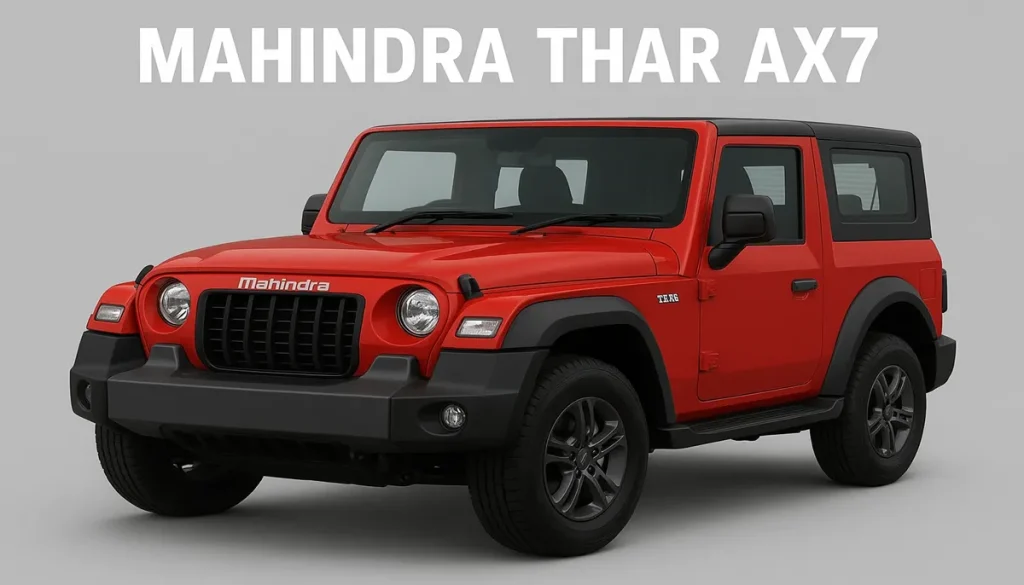
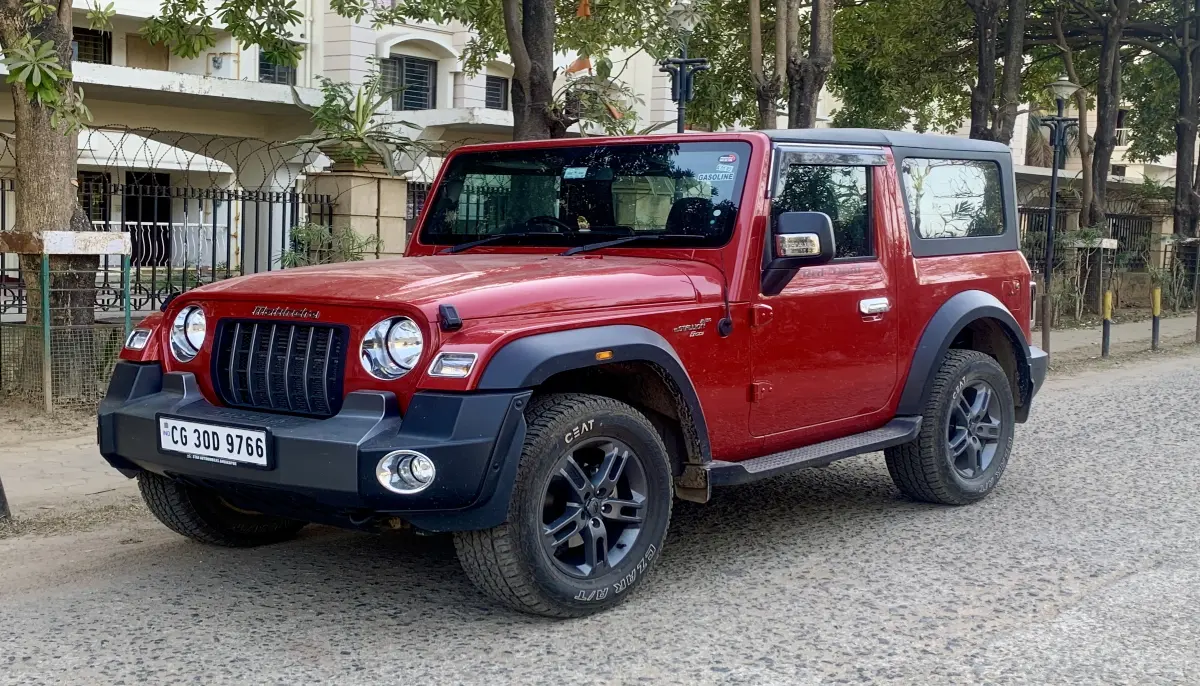
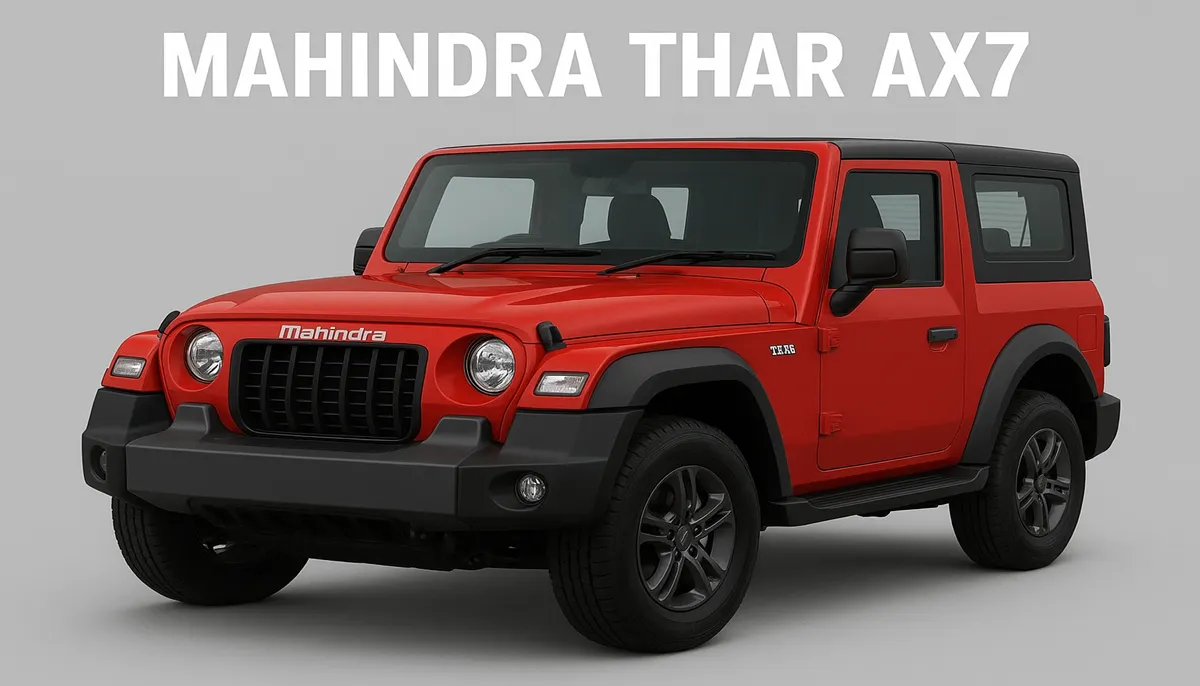
Beyond these popular choices, Mahindra offers several other colors including Red Rage, Aquamarine, Rocky Beige, Napoli Black, Mystic Copper and Everest White. However, resale value tends to be strongest for black and white variants something to consider if you plan to upgrade in a few years.

The heart of the Thar experience is its four wheel drive system. The mahindra thar 4×4 isn’t just a marketing feature. It’s a properly engineered system that genuinely works when you need it most.

The 4×4 system on the Thar is shift on the fly, meaning you can engage it while moving (though it’s best to do so at slower speeds). It features a low range transfer case which multiplies torque for crawling over obstacles, steep inclines and challenging terrain. This isn’t a fake AWD system this is legitimate four wheel drive designed for serious use.

During my conversations with Thar owners. The off road capability consistently came up as the most impressive aspect. One owner described taking his mahindra thar 4×4 through the Spiti Valley, navigating river crossings and rocky passes that left other vehicles struggling. Another regularly drives on beaches. Where the 4×4 system and high ground clearance make all the difference.

However, the 4×4 variants do come with trade offs. They’re more expensive, slightly less fuel efficient and have additional mechanical complexity. If you’re primarily a city driver who might occasionally take a trip to the hills, the 4×2 variants might be sufficient and save you around ₹1.5-2 lakh.

The brake locking differential on some variants further enhances off road capability. Automatically applying brakes to wheels that lose traction and directing power to wheels with grip. Combined with decent approach and departure angles the Thar can handle obstacles that would intimidate most SUV owners.

Let’s address the elephant in the room fuel efficiency. The thar mileage is not its strong suit and anyone considering this vehicle needs realistic expectations.

For the diesel variants, real world thar mileage typically ranges from 10-12 km/l in city driving and 13-15 km/l on highways. The petrol versions are slightly thirstier, delivering around 8-10 km/l in the city and 11-13 km/l on highways. These figures drop further if you’re driving aggressively, carrying heavy loads or using 4×4 mode frequently.

One Thar owner I spoke with shared his experience The first thing you need to accept is that you’re not buying this for fuel economy. My average is around 11 km/l with the diesel manual. Which I’m happy with considering the weight and off road capability. On long highway trips with cruise control. I’ve seen up to 16 km/l but that’s the exception.

The automatic transmission variants typically deliver 1-2 km/l less than their manual counterparts. The petrol automatic is the thirstiest of the bunch but many buyers choose it for the convenience and smoothness in city traffic.

Factors affecting your actual mileage include driving style, terrain, tire pressure, vehicle modifications (bigger tires and lift kits reduce efficiency) and load. The thar gadi is also quite heavy at around 1.9 tonnes. Which naturally requires more fuel to move.

If fuel economy is a primary concern, the Thar might not be the right choice. But if you prioritize capability, style and adventure over efficiency. The mileage becomes an acceptable compromise.

The thar top speed isn’t going to win any races but it’s adequate for Indian driving conditions. The diesel variants top out at around 155-160 km/h. While petrol versions can reach 165-170 km/h. However, these speeds are theoretical maximums the Thar isn’t designed for high speed cruising.

Where the Thar truly shines is low end torque and drivability. The 2.2 liter diesel engine produces 130 PS and 300 Nm of torque (320 Nm in automatic variants) giving it strong pulling power from low RPMs. This makes overtaking on highways confident and hill climbing effortless, even with a full load.

The 2.0-liter petrol engine puts out 150 PS and 300 Nm (320 Nm with automatic). Offering more power than the diesel but drinking more fuel. Many owners report that the petrol feels more refined and responsive in daily driving. Though the diesel is preferred for long distance touring and off roading.

The six speed manual transmission is notchy but precise though it requires a firm hand. The six speed automatic is smoother for city use but can feel hesitant during aggressive driving. Neither transmission is particularly quick shifting compared to modern dual clutch units but they’re robust and reliable.

One thing to note the Thar isn’t designed for highway speed runs. The short wheelbase, high center of gravity and off road oriented suspension setup mean it can feel less planted at very high speeds compared to road focused SUVs. Most owners settle into a comfortable 100-120 km/h cruise on highways, where the Thar feels stable and relaxed.
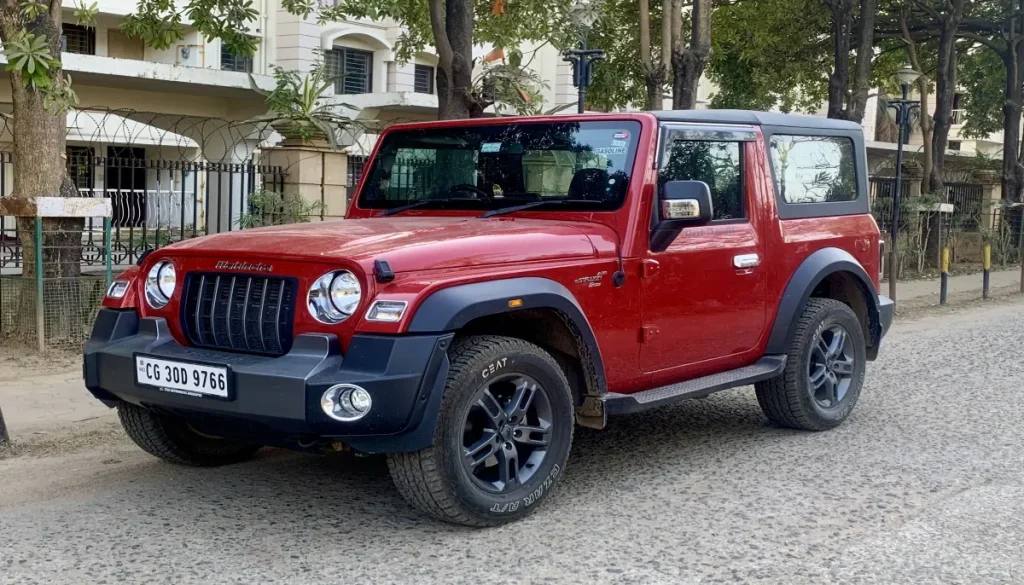
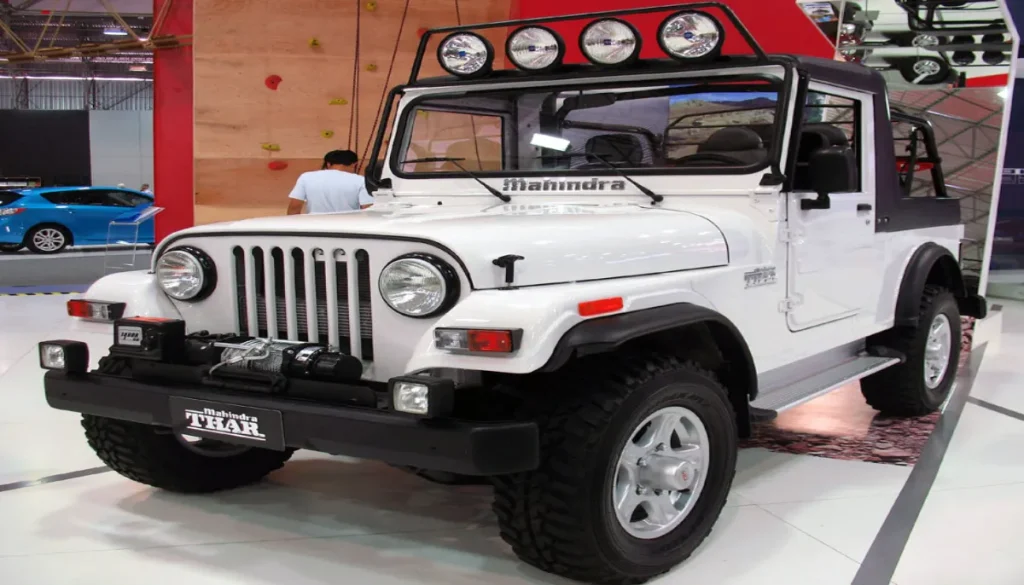
Safety is crucial and the thar safety rating provides important insights. The current generation Mahindra Thar received a 4 star rating (out of 5) in Global NCAP crash tests for adult occupant protection and 3 stars for child occupant protection.

This represents a significant improvement over the thar old model. Which would likely have struggled to achieve even basic safety standards. The new Thar comes with structural improvements, airbags (dual airbags as standard, with some variants offering more), ABS with EBD, rear parking sensors and a sturdy ladder frame chassis.

However, the 4 star rating comes with context. The test vehicle was the base variant without advanced safety features. Higher variants include additional airbags, electronic stability control, hill hold assist and hill descent control. Which improve real world safety but weren’t part of the tested configuration.

The Thar’s biggest safety advantage is its inherent structural strength. The ladder frame chassis and high strength steel construction provide excellent crash protection. The high seating position also offers good visibility. However, the short wheelbase can make it prone to rollovers if driven aggressively in corners, particularly with aftermarket modifications that raise the center of gravity.

One genuine concern is the lack of advanced driver assistance systems (ADAS) that are becoming common in modern vehicles. There’s no lane keeping assist, adaptive cruise control or automatic emergency braking. The Thar is fundamentally a driver focused vehicle that relies on your skills and judgment.

The thar logo has become iconic in itself a simple, bold representation that appears on the grille and tailgate. The design evolution from the old Thar to the new generation shows Mahindra’s intent to modernize while retaining heritage.

The current logo is cleaner and more contemporary than the thar old model’s badging fitting better with the overall design refresh. Many owners choose to keep the logo stock. While others replace it with aftermarket options, blacked out versions or custom designs.

The Mahindra brand itself carries strong recognition in India. Associated with toughness, rural connectivity and value. The Thar leverages this heritage while positioning itself as a premium lifestyle product. Successfully bridging the gap between utility and aspiration.

Interestingly, the Thar has developed such strong brand equity that it’s often recognized simply by silhouette, without needing to see the logo. The distinctive grille, round headlamps and boxy profile are instantly recognizable a testament to effective design.

One of the most exciting aspects of Thar ownership is customization. The market for thar roxx accessories and aftermarket parts has exploded. Offering everything from practical upgrades to purely aesthetic modifications.

Popular thar alloy wheels options include off road focused designs in 18 inch sizes. Often paired with chunkier all terrain or mud terrain tires. While larger wheels look aggressive. They can affect ride quality and fuel economy. Many experienced owners suggest sticking with 18 inch diameter but choosing wider tires for better grip.

Exterior Upgrades: Off road bumpers with winch mounts, rock sliders, roof racks, LED light bars, snorkels for water wading, custom grilles and fender flares for wider tires.

Interior Enhancements: Upgraded seat covers (leather or weatherproof material), better audio systems, dash cameras, phone mounts and storage solutions for the limited cabin space.

Performance Modifications: Lift kits for increased ground clearance, suspension upgrades for better off road performance, exhaust modifications for improved sound and ECU remapping for more power (though this can void warranty).

Protection: Underbody armor, differential guards, mud flaps, paint protection film and ceramic coating to preserve the finish.

The remote control thar toys have also become incredibly popular among kids and enthusiasts. Offering miniature versions that capture the vehicle’s character perfectly a testament to the Thar’s cultural impact.

One important note: while customization is fun, excessive modifications can void warranty, affect resale value and potentially make the vehicle illegal if safety equipment or emissions systems are compromised. Always work with reputable modification shops that understand regulations.

For those attracted to the Thar aesthetic but needing something different. The market has responded creatively. Several companies now offer mini thar conversions typically using smaller vehicles like the Maruti Gypsy or even electric platforms as base vehicles.

These mini thar alternatives obviously don’t match the real thing in capability or brand value. But they serve specific needs lower cost, easier parking and sometimes electric power. They’re particularly popular in tourist areas where they’re used for short scenic drives.

However, if you’re considering alternatives to the actual Mahindra Thar. The competitive set includes vehicles like the Force Gurkha (more hardcore off roader, less refined), Maruti Suzuki Jimny (smaller, more fuel efficient but less powerful) and various lifestyle SUVs like the Jeep Compass or Hyundai Tucson (more comfortable but less capable off road).

Each has strengths but the Thar occupies a unique position: genuine off road capability, strong brand identity, excellent modification potential and attainable pricing compared to imported alternatives like the Jeep Wrangler.

Beyond specifications and features what’s it actually like to own a thar gadi daily? I’ve gathered insights from multiple owners who’ve lived with their Thars for 1 3 years.

The Good: Owners consistently mention the smile factor the joy of driving something special. Weekend trips become adventures. The build quality feels solid and mechanical reliability has been generally good. The community aspect is also strong. Thar owners wave to each other and readily share tips and help.

The Challenges: City parking can be tricky due to the length and poor rear visibility. The ride is firm, which is great off road but can feel bouncy on broken city roads. Cabin noise levels are higher than modern SUVs, particularly with the soft top. Fuel costs add up quickly. Service intervals and parts are reasonably priced but finding experienced mechanics outside metro areas can be challenging.

The Verdict: Most owners say they’d buy again without hesitation. The Thar isn’t perfect but its imperfections are part of its character. It rewards you with experiences and capability that no ordinary SUV can match.

If you’ve read this far you’re seriously considering a thar car. Here are key decision points:

Choose 4×4 if: You plan regular off road adventures, live in hilly terrain or want maximum capability. The extra cost is justified if you’ll use the features.

Choose 4×2 if: You’re primarily a city driver who occasionally tours, want better fuel economy or have budget constraints. You’ll still get the looks and most of the experience.

Choose Diesel if: You drive long distances regularly, want better torque for off roading or plan to keep the vehicle for many years. Diesel engines typically have longer lifespans.

Choose Petrol if: You drive shorter distances, want smoother refinement or are concerned about future diesel regulations. Petrol is also marginally easier to find modifications for.

Manual vs Automatic: Manual gives better control off road and is more engaging. Automatic is easier in city traffic and more comfortable for family use. Test drive both if possible.

Note: Prices mentioned below are approximate on-road prices as of November 2025 and include RTO registration, insurance, and other charges. Actual prices may vary based on dealer offers, specific variants chosen, and additional accessories. Always verify with authorized Mahindra dealerships before purchase.

🏙️ Metropolitan Cities

CityBase Variant (AX 4×2)Mid Variant (LX 4×4)Top Variant (AT 4×4)
Delhi₹13.50 – 14.20 lakh₹16.80 – 17.50 lakh₹19.20 – 20.10 lakh
Mumbai₹14.80 – 15.60 lakh₹18.20 – 19.10 lakh₹20.80 – 21.90 lakh
Bangalore₹14.50 – 15.30 lakh₹17.90 – 18.80 lakh₹20.50 – 21.60 lakh
Hyderabad₹13.80 – 14.50 lakh₹17.10 – 17.90 lakh₹19.60 – 20.50 lakh
Chennai₹14.20 – 14.90 lakh₹17.50 – 18.30 lakh₹20.00 – 20.90 lakh
Kolkata₹13.90 – 14.60 lakh₹17.20 – 18.00 lakh₹19.70 – 20.60 lakh
Pune₹14.60 – 15.40 lakh₹18.00 – 18.90 lakh₹20.60 – 21.70 lakh

🌆 Tier-1 Cities

CityBase VariantMid VariantTop Variant
Ahmedabad₹13.40 – 14.10 lakh₹16.70 – 17.40 lakh₹19.10 – 20.00 lakh
Jaipur₹13.30 – 14.00 lakh₹16.50 – 17.30 lakh₹18.90 – 19.80 lakh
Lucknow₹13.60 – 14.30 lakh₹16.80 – 17.60 lakh₹19.30 – 20.20 lakh
Patna₹13.70 – 14.40 lakh₹17.00 – 17.80 lakh₹19.50 – 20.40 lakh
Chandigarh₹13.20 – 13.90 lakh₹16.40 – 17.20 lakh₹18.80 – 19.70 lakh
Guwahati₹13.80 – 14.50 lakh₹17.10 – 17.90 lakh₹19.60 – 20.50 lakh
Bhopal₹13.50 – 14.20 lakh₹16.70 – 17.50 lakh₹19.20 – 20.10 lakh
Indore₹13.60 – 14.30 lakh₹16.80 – 17.60 lakh₹19.30 – 20.20 lakh

🏘️ Tier-2 Cities

CityBase VariantMid VariantTop Variant
Kochi₹14.00 – 14.70 lakh₹17.30 – 18.10 lakh₹19.80 – 20.70 lakh
Gurgaon₹13.50 – 14.20 lakh₹16.80 – 17.50 lakh₹19.20 – 20.10 lakh
Noida₹13.50 – 14.20 lakh₹16.80 – 17.50 lakh₹19.20 – 20.10 lakh
Ghaziabad₹13.60 – 14.30 lakh₹16.90 – 17.60 lakh₹19.30 – 20.20 lakh
Nagpur₹13.70 – 14.40 lakh₹17.00 – 17.80 lakh₹19.50 – 20.40 lakh
Surat₹13.50 – 14.20 lakh₹16.80 – 17.50 lakh₹19.20 – 20.10 lakh
Vadodara₹13.50 – 14.20 lakh₹16.80 – 17.50 lakh₹19.20 – 20.10 lakh
Rajkot₹13.40 – 14.10 lakh₹16.70 – 17.40 lakh₹19.10 – 20.00 lakh
Ludhiana₹13.40 – 14.10 lakh₹16.60 – 17.40 lakh₹19.00 – 19.90 lakh
Agra₹13.60 – 14.30 lakh₹16.80 – 17.60 lakh₹19.30 – 20.20 lakh
Kanpur₹13.60 – 14.30 lakh₹16.90 – 17.70 lakh₹19.40 – 20.30 lakh
Ranchi₹13.80 – 14.50 lakh₹17.10 – 17.90 lakh₹19.60 – 20.50 lakh
Mysore₹14.30 – 15.00 lakh₹17.70 – 18.50 lakh₹20.30 – 21.20 lakh
Bhubaneswar₹13.80 – 14.50 lakh₹17.10 – 17.90 lakh₹19.60 – 20.50 lakh
Raipur₹13.70 – 14.40 lakh₹17.00 – 17.80 lakh₹19.50 – 20.40 lakh
Gwalior₹13.60 – 14.30 lakh₹16.90 – 17.70 lakh₹19.40 – 20.30 lakh
Vijayawada₹13.90 – 14.60 lakh₹17.20 – 18.00 lakh₹19.70 – 20.60 lakh
Jodhpur₹13.30 – 14.00 lakh₹16.50 – 17.30 lakh₹18.90 – 19.80 lakh
Dehradun₹13.50 – 14.20 lakh₹16.70 – 17.50 lakh₹19.20 – 20.10 lakh
Nashik₹14.50 – 15.20 lakh₹17.90 – 18.70 lakh₹20.50 – 21.40 lakh
Thane₹14.70 – 15.50 lakh₹18.10 – 19.00 lakh₹20.70 – 21.80 lakh
Kolhapur₹14.50 – 15.20 lakh₹17.90 – 18.70 lakh₹20.50 – 21.40 lakh

🏞️ Tier-3 & Other Cities

CityBase VariantMid VariantTop Variant
Meerut₹13.60 – 14.30 lakh₹16.80 – 17.60 lakh₹19.30 – 20.20 lakh
Jalandhar₹13.40 – 14.10 lakh₹16.60 – 17.40 lakh₹19.00 – 19.90 lakh
Amritsar₹13.40 – 14.10 lakh₹16.60 – 17.40 lakh₹19.00 – 19.90 lakh
Siliguri₹14.00 – 14.70 lakh₹17.30 – 18.10 lakh₹19.80 – 20.70 lakh
Imphal₹14.20 – 14.90 lakh₹17.50 – 18.30 lakh₹20.00 – 20.90 lakh
Goa₹13.90 – 14.60 lakh₹17.20 – 18.00 lakh₹19.70 – 20.60 lakh
Madurai₹14.10 – 14.80 lakh₹17.40 – 18.20 lakh₹19.90 – 20.80 lakh
Odisha (avg)₹13.80 – 14.50 lakh₹17.10 – 17.90 lakh₹19.60 – 20.50 lakh
Punjab (avg)₹13.40 – 14.10 lakh₹16.60 – 17.40 lakh₹19.00 – 19.90 lakh
Kerala (avg)₹14.00 – 14.70 lakh₹17.30 – 18.10 lakh₹19.80 – 20.70 lakh

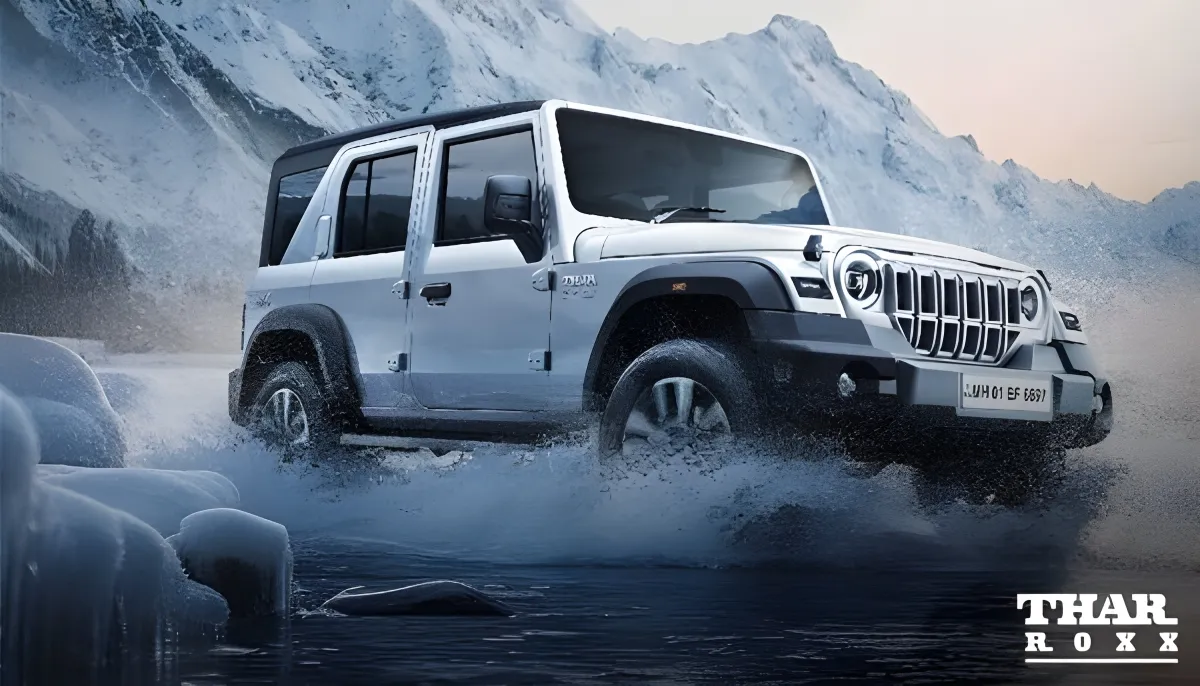
🚗 Mahindra Thar Roxx On-Road Prices (City-Wise)

Note: Thar Roxx is the 5-door variant with different pricing structure. Expected prices (subject to launch confirmation):

CityRoxx BaseRoxx MidRoxx Top
Bangalore₹15.50 – 16.30 lakh₹18.90 – 19.80 lakh₹21.50 – 22.60 lakh
Delhi₹14.50 – 15.20 lakh₹17.80 – 18.60 lakh₹20.20 – 21.10 lakh
Hyderabad₹14.80 – 15.50 lakh₹18.10 – 18.90 lakh₹20.60 – 21.50 lakh
Chennai₹15.20 – 15.90 lakh₹18.50 – 19.30 lakh₹21.00 – 21.90 lakh
Jaipur₹14.30 – 15.00 lakh₹17.50 – 18.30 lakh₹19.90 – 20.80 lakh
Patna₹14.70 – 15.40 lakh₹18.00 – 18.80 lakh₹20.50 – 21.40 lakh
Lucknow₹14.60 – 15.30 lakh₹17.80 – 18.60 lakh₹20.30 – 21.20 lakh
Agra₹14.60 – 15.30 lakh₹17.80 – 18.60 lakh₹20.30 – 21.20 lakh
Guwahati₹14.80 – 15.50 lakh₹18.10 – 18.90 lakh₹20.60 – 21.50 lakh
Ahmedabad₹14.40 – 15.10 lakh₹17.70 – 18.40 lakh₹20.10 – 21.00 lakh

Thar 4×4 Price in India

  • Diesel Manual 4×4: ₹16.50 – 18.20 lakh (on-road)
  • Diesel Automatic 4×4: ₹18.80 – 20.50 lakh (on-road)
  • Petrol Manual 4×4: ₹15.80 – 17.50 lakh (on-road)
  • Petrol Automatic 4×4: ₹17.90 – 19.60 lakh (on-road)

Thar RWD (2WD/4×2) Price

  • Base AX Diesel RWD: ₹13.20 – 14.80 lakh
  • Base AX Petrol RWD: ₹12.80 – 14.40 lakh
  • LX Diesel RWD: ₹14.50 – 16.10 lakh
  • LX Petrol RWD: ₹14.10 – 15.70 lakh

Thar 2×2 Price (Rear-Wheel Drive)

Note: 2×2 typically refers to RWD variants

  • Average On-Road: ₹13.50 – 15.50 lakh across India

Thar 4×4 Black Price

  • Premium for Black Color: No additional cost for standard black
  • With Popular Accessories: ₹17.50 – 21.00 lakh (depending on modifications)
  • Fully Modified Black Thar: ₹19.00 – 24.00 lakh

Modified Thar Price

  • Basic Modifications: +₹50,000 – 1.50 lakh (alloys, seat covers, accessories)
  • Medium Modifications: +₹1.50 – 3.00 lakh (lift kit, bumpers, lights, audio)
  • Heavy Modifications: +₹3.00 – 6.00 lakh (suspension, winch, comprehensive upgrades)
  • Custom Builds: ₹5.00 – 10.00 lakh+ above base price

Second Hand Thar Price (Used Market)

  • 2020-2021 Models: ₹10.50 – 14.00 lakh (depending on mileage/condition)
  • 2022-2023 Models: ₹13.00 – 16.50 lakh
  • 2024 Models: ₹15.00 – 18.00 lakh
  • Old Thar (2010-2019): ₹4.50 – 9.00 lakh

Why prices differ across cities:

  1. State RTO Charges: Registration fees vary significantly (5-12% of vehicle cost)
  2. Road Tax: Some states charge lifetime tax, others annual
  3. Insurance Premiums: Higher in metros due to claim frequency
  4. Dealer Margins: Competition affects final pricing
  5. Transportation Costs: Distance from manufacturing plant
  6. State Subsidies: Some states offer EV/hybrid incentives (not applicable to Thar)

Highest Prices: Mumbai, Bangalore, Chennai (due to high road tax and registration)

Lowest Prices: Chandigarh, Rajkot, parts of Gujarat and Rajasthan (lower state taxes)

Price Difference Range: Up to ₹2-3 lakh between most expensive and cheapest cities for same variant

  1. Chandigarh – Lowest road tax in region
  2. Ahmedabad/Rajkot – Competitive Gujarat pricing
  3. Jaipur – Reasonable Rajasthan taxes
  4. Delhi/NCR – Good dealer competition
  5. Lucknow – Moderate UP registration costs

Note: Factor in your home state re-registration costs if buying from another state. This can eliminate savings.

  1. End of Month/Quarter: Dealers offer better discounts to meet targets
  2. Exchange Offers: Up to ₹50,000 additional off with old vehicle
  3. Corporate Discounts: 2-5% off for some corporate employees
  4. Festival Offers: Diwali, Navratri periods see promotional schemes
  5. Accessories Bundling: Negotiate free accessories instead of price reduction

  • All prices are approximate on-road prices as of November 2025
  • Prices include estimated RTO, insurance, and handling charges
  • Actual prices vary based on specific variant, color, and dealer location
  • Mahindra reserves the right to change prices without notice
  • Always get final quotation from authorized Mahindra dealerships
  • Insurance costs vary by age, location, and coverage type
  • Additional accessories and modifications cost extra
  • Prices mentioned don’t include extended warranty or service packages

  1. Visit Mahindra Official Website and use the price calculator
  2. Call Mahindra Customer Care: 1800-209-6006
  3. Visit nearest authorized Mahindra dealership for test drive and quotation
  4. Use online car portals for real-time dealer quotes in your city
  5. Check Mahindra Thar owners’ groups on social media for actual pricing shared by recent buyers

Final Recommendation: Prices fluctuate based on promotions and demand. The Thar typically has 2-6 month waiting periods in most cities, which can affect negotiation leverage. Book early, compare quotes from 2-3 dealers in your city, and factor in your long-term ownership costs beyond just purchase price.

This comprehensive price list is compiled from dealer data, owner reports and market research. For your specific purchase, always verify with official sources.

After researching extensively and experiencing the Thar firsthand. I understand the appeal completely. This isn’t just a vehicle it’s a statement that you value experiences over convenience, adventure over comfort and character over perfection.

The mahindra thar price represents good value when you consider what you’re getting a genuine 4×4 with solid build quality, distinctive styling and the ability to take you places most vehicles simply cannot go. Yes it has limitations. The mileage won’t impress the ride isn’t luxury soft and it’s not packed with the latest tech features.

But here’s the thing: people who buy the Thar know exactly what they’re signing up for. They’re choosing adventure capability over fuel economy, emotional appeal over practicality and weekend freedom over daily convenience. And for that specific purpose the Thar delivers brilliantly.

If you’re someone who lights up at the thought of mountain roads, beach drives and exploring beyond paved surfaces and you can accept the compromises the Thar might just be the perfect vehicle for you. But if your priorities are comfort, fuel efficiency and loaded features for highway commuting, there are better alternatives in the market.

The Thar asks you to choose: do you want to blend in or stand out? Do you want comfort or capability? Do you want practical or passionate? Your answer will tell you if this is your vehicle.

  • Thar Car
  • Red Thar Car
  • white thar car
  • Green Thar Car
  • black thar car 4x4
  • Mahindra Thar Car
  • Mahindra Thar Roxx
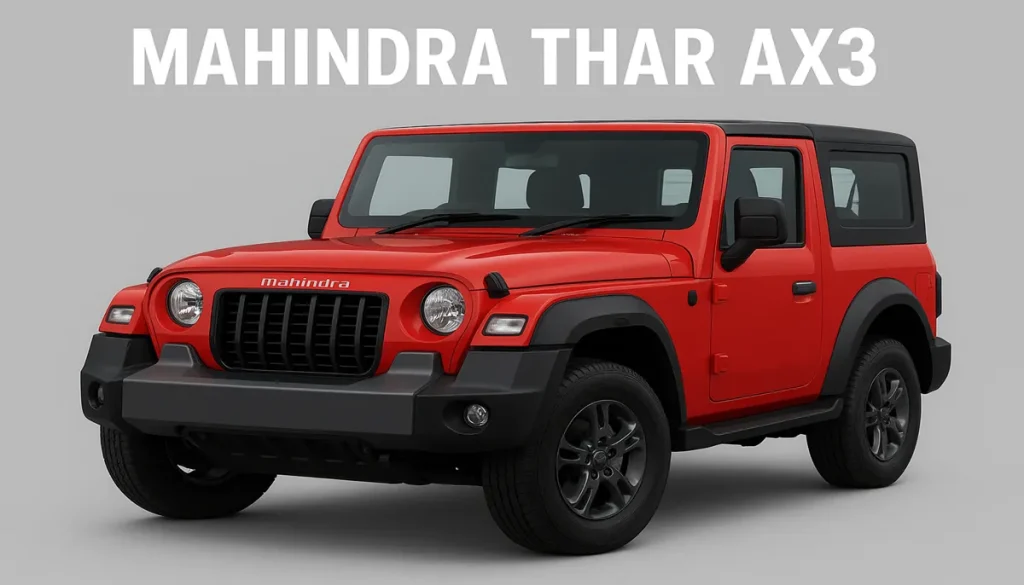
  • Mahindra Thar AX3
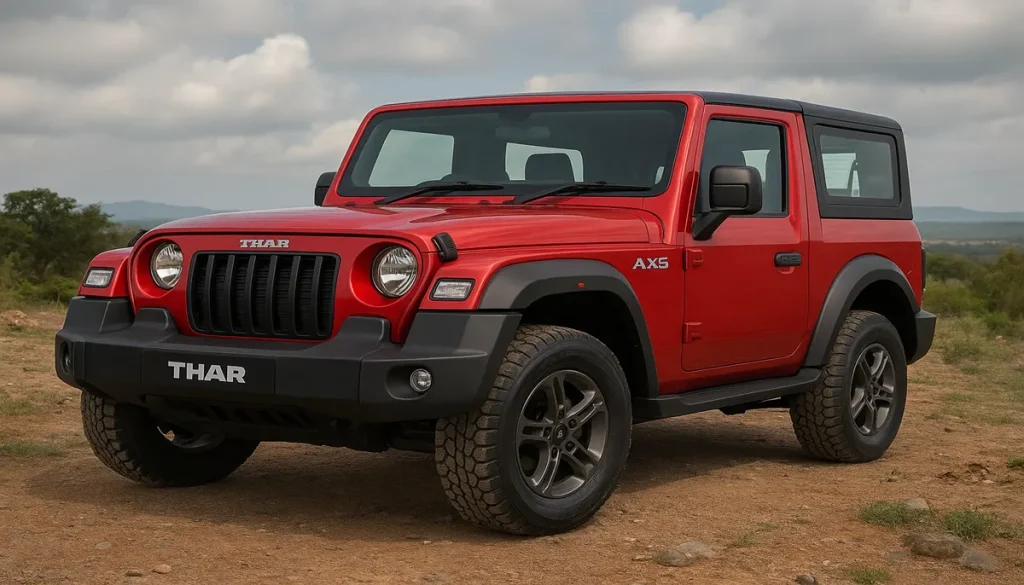
  • Mahindra Thar AX5
  • Mahindra Thar AX7
  • Thar Car
  • Red Thar Car
  • white thar car
  • Green Thar Car
  • black thar car 4x4
  • Mahindra Thar Car
  • Mahindra Thar Roxx
  • Mahindra Thar AX3
  • Mahindra Thar AX5
  • Mahindra Thar AX7

Frequently Asked Questions (FAQs)

Absolutely, if you value adventure capability and distinctive styling. The Thar offers genuine off road performance, strong build quality and excellent resale value. However, it’s not ideal if you prioritize fuel efficiency or luxury features over capability.

The thar car price on road typically ranges from ₹13-20 lakh depending on variant and city. Metro cities like Mumbai and Bangalore have higher registration costs. The base AX diesel 4×2 starts around ₹13.5 lakh on road. While top variants can exceed ₹20 lakh.

Second hand thar options can save ₹3-5 lakh and eliminate waiting periods. However, ensure thorough inspection, verified service history and check if the previous owner did heavy off roading. New models come with warranty and peace of mind. If budget allows, new is generally better.

Real world thar mileage in city conditions averages 10-12 km/l for diesel and 8-10 km/l for petrol. Highway mileage improves to 13-15 km/l (diesel) and 11-13 km/l (petrol). Automatic variants deliver slightly lower figures. Aggressive driving and 4×4 use reduce efficiency further.

The LX diesel manual 4×4 hard top offers the best combination for serious off roading diesel torque, manual control, proper 4×4 with low range and hard top protection. Add aftermarket modifications like better tires, underbody protection and upgraded suspension for maximum capability.

Maintenance costs are moderate for this segment. Regular servicing costs ₹5,000 8,000, with major services around ₹15,000 20,000. Parts are reasonably priced but frequent off road use increases maintenance frequency. Budget ₹40,000 60,000 annually for comprehensive maintenance and tire replacements.

Thar Car

Explore Thar Car – your trusted guide for all cars in India. Find car prices, reviews, dealers and service details in one place.

  • About US
  • Contact US
  • Disclaimer
  • Privacy Policy
  • Terms and Conditions

Follow us

Facebook X Instagram

© 2026 Thar Car

  • Car Guides
  • Car Comparison