
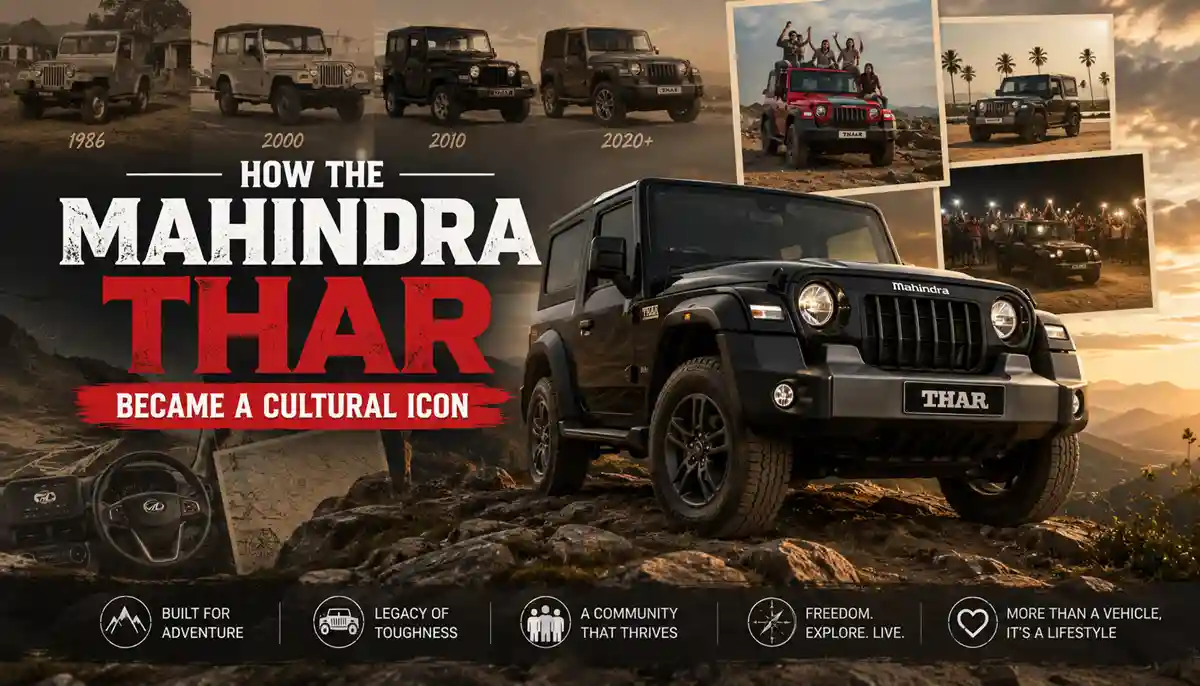
How the Mahindra Thar Became a Cultural Icon: 7 Powerful Reasons Behind Its Rise
How the Mahindra Thar Became a Cultural Icon
Few vehicles in India manage to step outside the showroom and into everyday conversation. The Mahindra Thar has done exactly that. It’s not just a car people buy. It’s a car people talk about, dream about and plan road trips around.
Walk through any college campus, scroll through Instagram reels or drive past a wedding convoy and there’s a good chance you’ll spot a Thar somewhere. That’s no accident. Over the years, this boxy little off roader has quietly built itself into something much bigger than a vehicle category.
This article looks at exactly how the Mahindra Thar cultural icon status came to be. We’ll cover its history, design, fan communities and what makes it stand apart from every other SUV on Indian roads today.
Introduction to the Mahindra Thar
The Mahindra Thar is a compact, body on frame SUV built for tough terrain and tougher adventures. It was never designed to be a city runabout. Instead, it was built with mud, gravel, sand dunes and mountain trails in mind.
That rugged purpose is exactly what gives the Thar its personality. While most SUVs today chase comfort and softness, the Thar leans into being raw and capable. People don’t just buy it to get from point A to point B. They buy it because it represents a feeling: freedom, adventure and a bit of rebellion against the ordinary.
Understanding why the Mahindra Thar became a cultural icon means looking at its full journey, not just its current popularity.
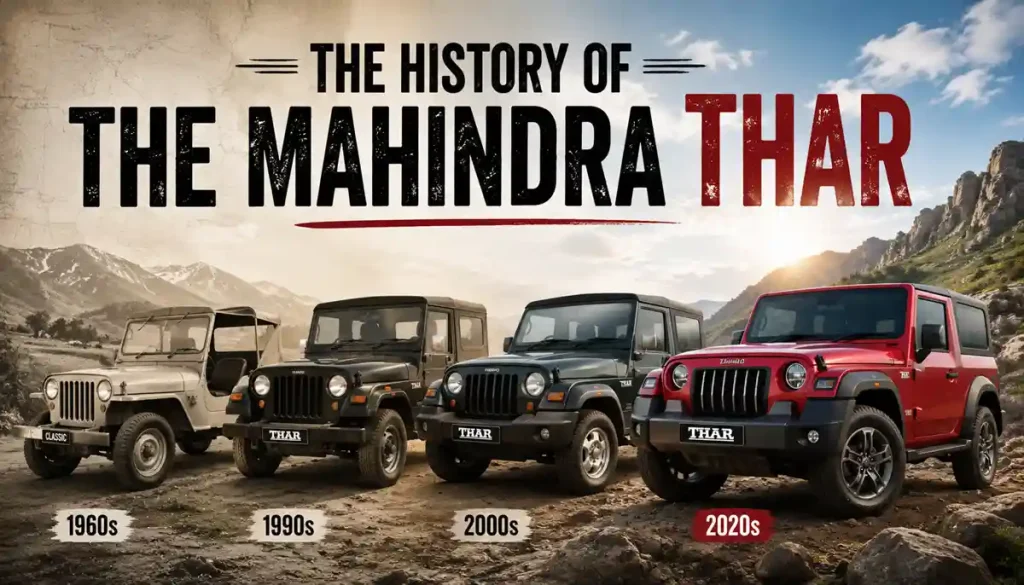
The History of the Mahindra Thar
The story begins back in 2010, when Mahindra launched the original Thar to replace its older utility vehicle, the MM540. At the time, it was a fairly simple machine: a diesel engine, a soft top or hard top body and a no nonsense four wheel drive system.
It wasn’t flashy. It wasn’t loaded with features. But it had something most cars didn’t: genuine off road ability inherited from Mahindra’s long history of building rugged utility vehicles for the Indian Army and rural buyers.
In its earliest years, the Thar was mostly known among farmers, defense personnel and serious off road hobbyists. It hadn’t yet become a lifestyle statement. That transformation would take another decade.
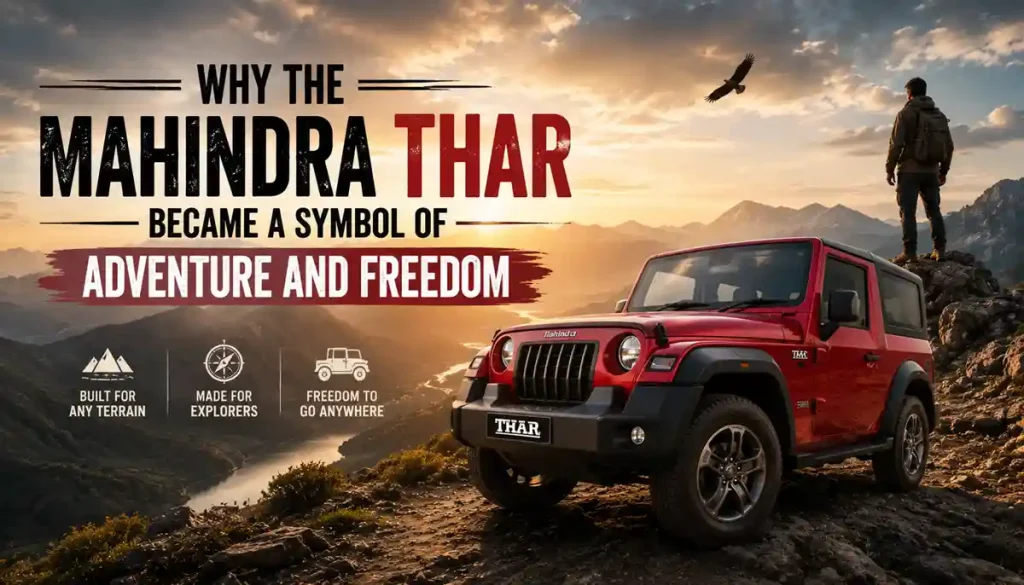
Origins of the Thar Legacy
Mahindra’s off road DNA goes back even further than 2010. The company built its reputation on tough, dependable utility vehicles long before the Thar nameplate existed. That heritage of durability is part of why the Thar felt authentic from day one, rather than like a marketing gimmick.
This authenticity matters a lot in today’s market. Buyers can tell the difference between a brand chasing a trend and a brand that has actually lived the lifestyle it’s selling.
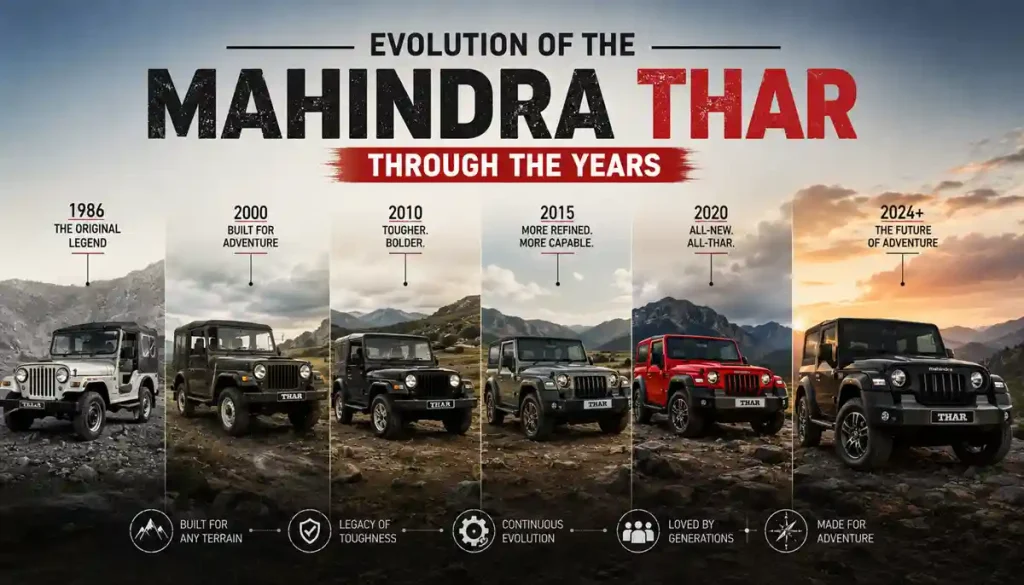
Evolution of the Mahindra Thar Through the Years
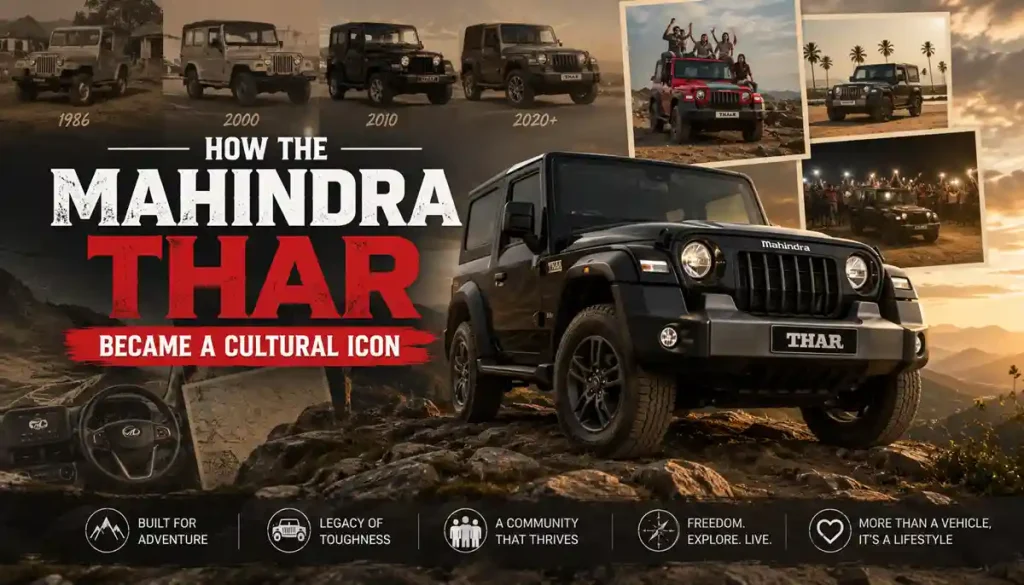
The Thar’s evolution is really a story in three acts: the rugged original, the modern redesign and the lifestyle expansion.
Thar vs Scorpio N: 7 Brilliant Differences That Actually Matter (2026)
Why the Mahindra Thar Is So Popular
There isn’t one single reason behind the Thar’s popularity. It’s a mix of design, timing, marketing and genuine capability.
Mahindra Thar and Off Road Culture
India’s off roading scene was once a niche hobby limited to a small group of enthusiasts with modified Jeeps and Gypsys. The Thar helped pull that hobby into the mainstream.
Because the Thar comes off road capable straight from the factory, it lowered the barrier to entry. People no longer needed to spend years modifying a vehicle before attempting a proper trail. They could simply buy a Thar and join a weekend off road meet.
This shift turned off roading from a specialist pursuit into something closer to a popular weekend hobby, especially around cities with access to hills, riverbeds or desert terrain.
Organized off road events, trail days and weekend expeditions have grown steadily over the past few years and the Thar is almost always present in large numbers at these gatherings. Event organizers often note that a growing share of first time participants arrive in a stock Thar rather than a heavily modified vehicle, which says a lot about how accessible the brand has made this hobby.
This accessibility has also encouraged a new generation of drivers to learn proper off road techniques, such as reading terrain, managing wheel articulation and understanding water wading limits. In a way, the Thar has acted as an entry point into a much larger culture of responsible adventure driving across the country.
Design Features That Made the Thar Unique
The Thar’s design walks a careful line between heritage and modernity.
These design choices aren’t accidental. Each one reinforces the rugged, no compromise identity that buyers associate with the Thar brand.
The Role of Social Media in Thar’s Popularity
It’s hard to talk about modern car culture without talking about social media and the Thar has benefited enormously from it.
Owners regularly post videos of their Thar tackling muddy trails, climbing rocky inclines or simply parked against a scenic mountain backdrop. These aren’t polished advertisements; they’re authentic, user generated content that feels far more convincing than a traditional commercial.
Mahindra Thar as a Lifestyle Vehicle
Today, owning a Thar often says more about lifestyle than necessity. It’s chosen by people who value weekend getaways, camping trips and a sense of adventure over sheer practicality.
This is a deliberate shift in how Mahindra positions the vehicle. Marketing campaigns increasingly focus on themes of exploration, fitness and an active outdoor lifestyle rather than just specifications and pricing.
Celebrity Influence and the Mahindra Thar
Brand partnerships and special editions have also played a role in shaping the Thar’s image. Limited edition variants linked to public figures known for fitness and adventure have helped reinforce the SUV’s active, outdoorsy personality.
These editions usually come with cosmetic touches like unique badging, special paint finishes and detailing but mechanically they remain close to the standard capable variants. The real value is symbolic: it ties the Thar even more tightly to an active, adventurous identity.
Adventure Tourism and the Thar Community
Mahindra Thar vs Other Off Road SUVs
Buyers often compare the Thar against other off road focused SUVs available in India. Here’s a general comparison based on typical positioning and capability:
| Feature | Mahindra Thar (3 Door) | Mahindra Thar Roxx (5 Door) | Force Gurkha | Maruti Suzuki Jimny |
| Body Style | Compact, 2 door | Compact, 5 door | Compact, available in 3 & 5 door | Compact, 5 door |
| Off Road Focus | High | High | Very high | Moderate to high |
| Daily Usability | Moderate | High | Moderate | High |
| Cabin Space | Limited | Spacious | Limited | Moderate |
| Lifestyle Appeal | Very high | Very high | Moderate | High |
| Target Buyer | Adventure focused individuals | Families and groups seeking adventure | Hardcore off road enthusiasts | Buyers wanting compact, capable SUVs |
This table highlights why the Thar lineup manages to cover multiple buyer types at once, something few rivals achieve as effectively.
Cultural Impact of the Mahindra Thar
Beyond sales numbers, the Thar has changed how Indian buyers think about SUVs. It proved that a vehicle could be both genuinely capable off road and aspirational on social media, two things that didn’t always go together in the Indian market.
It also helped normalize the idea of buying a vehicle for the experience it offers, not just the utility. That shift in mindset has influenced how other manufacturers position their own rugged SUVs today.
Future of the Mahindra Thar
Mahindra continues to expand the Thar family, including specialized variants built for tougher military style use and ongoing updates to the Thar Roxx lineup with new trims and editions. There’s also continued industry speculation about electrified versions of the Thar as Mahindra expands its electric vehicle range.
Whatever direction the lineup takes next, the core identity is unlikely to change. The brand seems committed to keeping the Thar rugged, recognizable and rooted in adventure, even as it adds modern technology.
Conclusion
The Mahindra Thar cultural icon status wasn’t built overnight. It came from over a decade of steady evolution, smart design choices, genuine off road capability and a community of owners who turned their personal adventures into a shared identity.
In my view, the real magic of the Thar is that it never tried to be everything to everyone. It stayed true to a rugged, adventurous personality while slowly becoming more comfortable and practical. That kind of consistency is rare in the auto industry and it’s exactly why the Thar continues to capture hearts on Indian roads, trails and timelines alike.