Off-Road SUV Pros and Cons: Complete 2026 Guide
The Off Road SUV Dilemma
Thinking about getting an off road SUV? You’re not alone. These rugged machines have become incredibly popular over the past few years and it’s easy to see why. They promise adventure, capability and that go anywhere freedom that regular cars just can’t deliver.
But here’s the thing: off road SUVs aren’t perfect for everyone. Before you sign those papers and drive off the lot. You need to understand both sides of the story. Some people absolutely love their off road vehicles. While others regret their purchase within months.
I’ve spent years watching friends, family and countless drivers experience the highs and lows of off road SUV ownership. Some use them every weekend for camping trips and trail adventures. Others struggle with high fuel bills and parking headaches in the city.
This guide breaks down everything you need to know about off road SUV benefits and drawbacks. No fluff, no sales pitch, just honest insights to help you make the right choice.
What Makes an Off Road SUV Different?
Before we dive into the pros and cons. Let’s clarify what we’re talking about. An off road SUV is a vehicle specifically designed to handle rough terrain, unpaved roads and challenging conditions that would stop a regular car in its tracks.
These vehicles typically feature four wheel drive or all wheel drive systems, high ground clearance, reinforced suspension and specialized tires. Think of models built for adventure rather than just city commuting.
The key difference between an off road SUV and a regular crossover is capability. Crossovers look tough but are basically tall cars. Real off road SUVs are engineered from the ground up to conquer dirt roads, rocky trails, sand dunes and mud pits.
The Major Advantages of Off Road SUVs
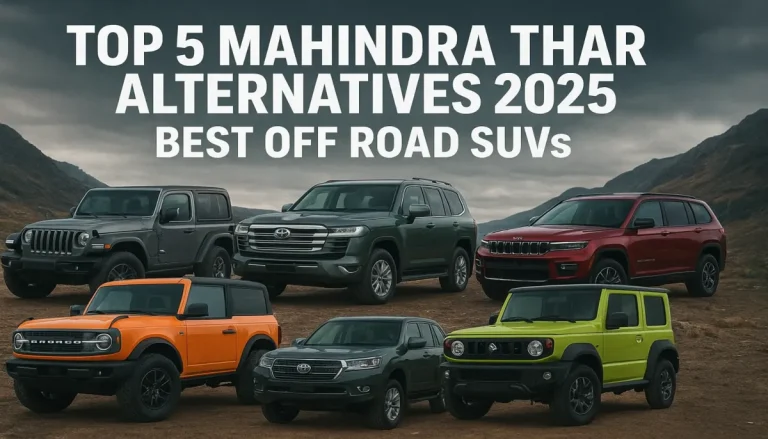
Best Off Road SUVs for Camping 2025 Guide
The Significant Drawbacks of Off Road SUVs
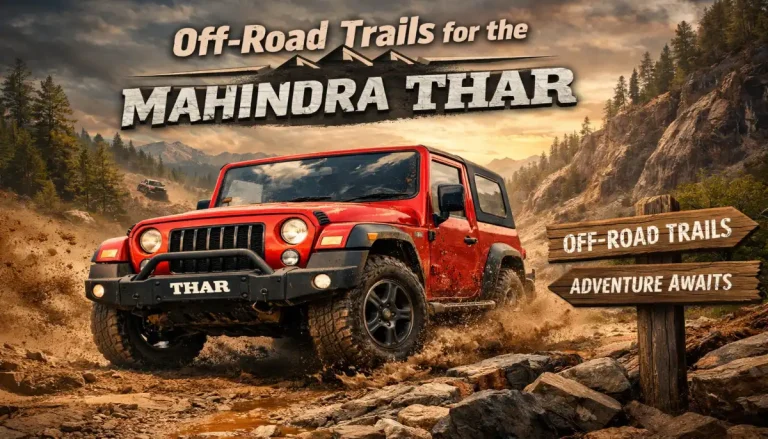
Top 10 Off Road Trails in India to Explore with Your Mahindra Thar
Comparison Table: Off-Road SUV vs Regular Vehicle
| Factor | Off-Road SUV | Regular Car/Crossover |
| Fuel Economy | 15-20 MPG | 28-40 MPG |
| Ground Clearance | 8-11 inches | 5-7 inches |
| Towing Capacity | 5,000-8,000+ lbs | 1,500-3,500 lbs |
| Purchase Price | $35,000-70,000+ | $25,000-45,000 |
| Annual Fuel Cost | $3,000-4,000 | $1,500-2,200 |
| Insurance (Annual) | $1,800-2,500 | $1,200-1,800 |
| Tire Replacement | $1,000-1,600 | $400-700 |
| Off-Road Capability | Excellent | Poor to Fair |
| City Parking Ease | Difficult | Easy |
| Ride Comfort | Firm/Harsh | Smooth/Comfortable |
| Resale Value (5yr) | 60-70% retained | 40-50% retained |
| Cargo Space | Excellent | Good |
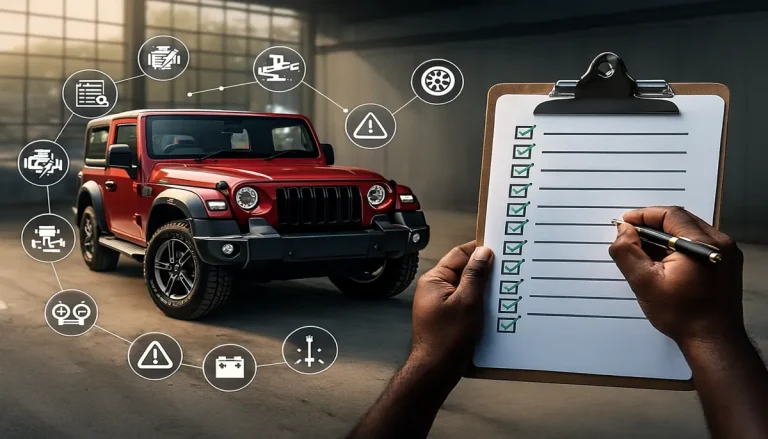
DIY Thar Cleaning and Protection After Off Roading
Special Considerations for Different Buyers
Off Road SUV vs Crossover vs Pickup Truck
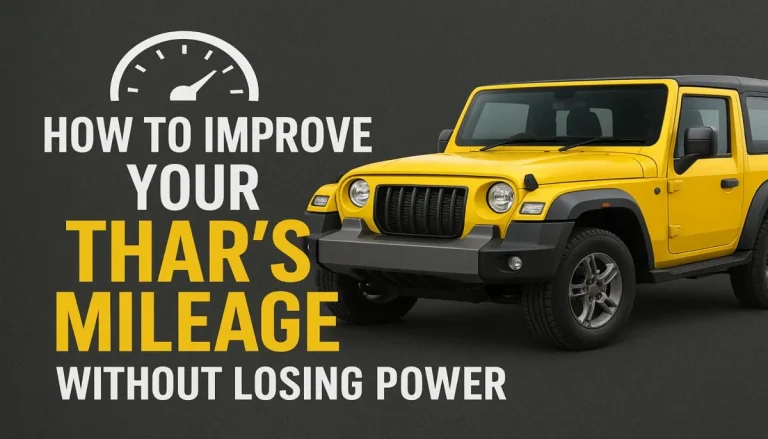
How to Improve Your Thar Mileage Without Losing Power: 7 Proven Methods That Actually Work
The Big Question: Is an Off Road SUV Worth It?
So should I buy an off road SUV? The answer depends entirely on your specific situation.
An off road SUV makes sense if you:
An off road SUV probably isn’t worth it if you:
The honest truth is that most people who buy off road SUVs don’t use them for their intended purpose often enough to justify the compromises. They fall in love with the image and capability but end up frustrated with the daily reality.
Best Tyres for Mahindra Thar: Complete Off Road and On Road Options Guide 2025
Smart Buying Guide Tips
If you’ve decided an off road SUV fits your needs here are practical buying tips:
Research reliability thoroughly: Not all off road SUVs are created equal. Some models have excellent reputations for durability. While others spend more time in the shop than on trails. Check owner forums and long term reliability data.
Consider certified pre owned: Off road SUVs hold value well but letting someone else eat the initial depreciation can save serious money. A three year old model with low miles often provides 90% of the capability at 70% of the new price.
Test drive in realistic conditions: Don’t just circle the dealer lot. Take it on the highway to experience noise levels. Navigate through tight parking situations. Drive on rough roads if possible.
Calculate total ownership costs: Add up fuel, insurance, maintenance and tire expenses for five years. Compare that to your current vehicle. Can you really afford the difference?
Be honest about actual use: If you’ll only use the off road capability twice a year. Can you justify the daily compromises? Maybe renting a capable vehicle for those rare adventures makes more financial sense.
Size appropriately: Bigger isn’t always better. Mid size off road SUVs often provide better daily drivability while still offering strong capability. You don’t need a full size beast unless you’re regularly towing huge trailers.
Check dealer service capabilities: Off road SUVs need proper maintenance. Does your local dealer have technicians trained on four wheel drive systems? Are parts readily available?
Best Thar Accessories 2025: Top 10 Must Have Add Ons
Final Thoughts: Making the Right Choice
After exploring all the off road SUV strengths and weaknesses. Here’s my honest take: these vehicles are incredible tools when properly matched to your lifestyle but terrible choices when bought for the wrong reasons.
I’ve watched too many people buy off road SUVs because they looked cool or seemed practical, only to complain about fuel costs and parking struggles for years. The novelty of sitting high and looking tough wears off fast when you’re spending an extra $200 monthly on gas.
But I’ve also seen families transform their lifestyle with the right off road SUV. Weekend adventures to places they couldn’t access before. Confidence driving through snowstorms that would have kept them home. Towing capabilities that opened up boating and camping opportunities.
The key is brutal honesty with yourself. Don’t buy an off road SUV because you might go camping someday. Buy it because you already camp regularly and your current car limits you. Don’t buy it for that one ski trip per year. Buy it because you live in snow country and need reliable winter transportation.
The off road SUV advantages and disadvantages aren’t good or bad in isolation. They only matter in the context of your specific life, budget and needs.
If you genuinely need the capability and can afford the operating costs. An off road SUV will serve you well and hold value nicely. You’ll appreciate the versatility and enjoy the freedom it provides.
But if you’re buying primarily for image or hypothetical future adventures. You’re setting yourself up for buyer’s remorse. The daily compromises will frustrate you. The costs will strain your budget and that capable machine will spend its life hauling groceries and sitting in parking lots.
Choose wisely, be honest about your needs and you’ll make the right decision for your situation.